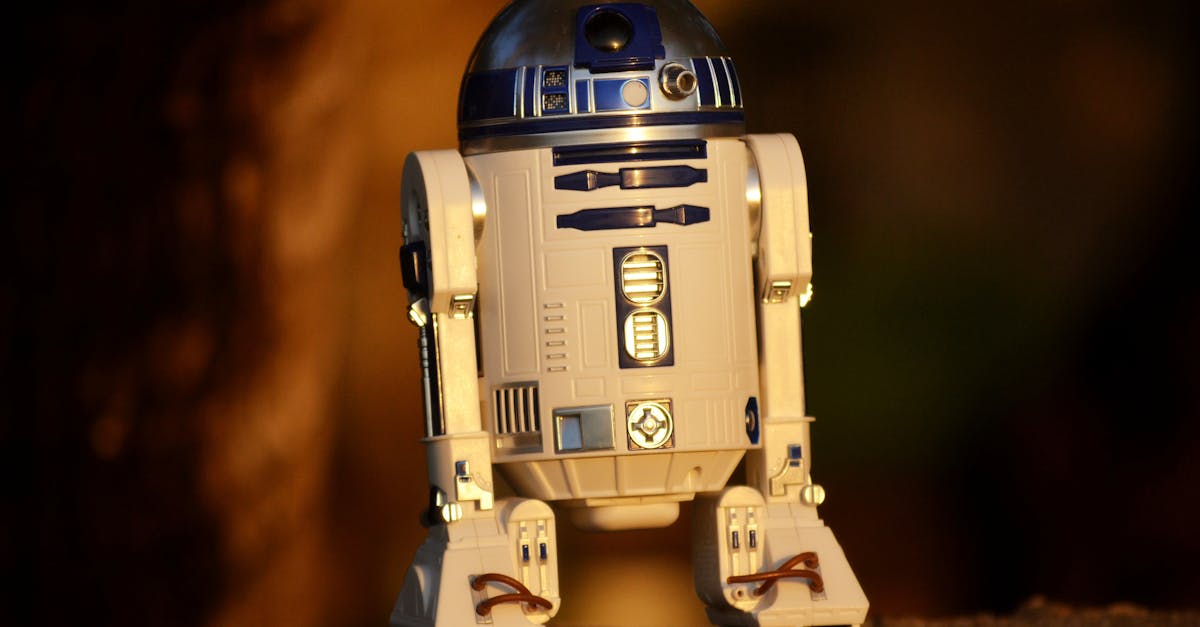
Imagine a future where robots glide effortlessly through the cosmos, fixing satellites, exploring distant planets, and maybe even making a mean cup of coffee for astronauts. Space robotics isn’t just science fiction; it’s a rapidly evolving field that’s reshaping our understanding of the universe. With every launch, these mechanical marvels are proving they can do more than just vacuum floors or flip burgers.
Table of Contents
ToggleOverview of Space Robotics
Space robotics involves the design and application of robotic systems for space exploration. These technologies enhance mission capabilities and improve safety for human astronauts. Robotics encompasses a range of machines, including rovers, landers, and orbiters, each designed for specific functions.
Rovers like NASA’s Curiosity gather data on Mars’ surface and analyze its atmosphere. They navigate harsh terrains, collecting samples and sending information back to Earth. Landers such as the Phoenix spacecraft use robotic arms to interact with their environment and perform scientific experiments. Orbiters, including the Mars Reconnaissance Orbiter, evaluate planetary atmospheres and capture high-resolution images of celestial bodies.
Advanced technologies drive contemporary space robotics. Artificial intelligence plays a significant role, allowing robots to make decisions autonomously. Machine learning algorithms help them adapt to new challenges during missions. Sensors and cameras facilitate real-time data collection, enabling robots to analyze situations dynamically.
Space robotics reduces the risks associated with human spaceflight. By deploying robotic systems, agencies can explore environments that may be too dangerous for humans. This approach also allows for extensive reconnaissance prior to sending astronauts into uncertain territories.
Current missions illustrate the importance of robotic systems. The Perseverance rover, launched to Mars in 2020, seeks signs of ancient life while preparing for future human exploration. Robotic arms on the International Space Station assist astronauts in repairs and assembly tasks, highlighting their versatility.
Innovations continue to transform space robotics, promising exciting developments in exploration. These advancements signal an era where robots play an integral role in deep space missions, paving the path for humanity’s journey into the cosmos.
Key Technologies in Space Robotics
Space robotics encompasses several key technologies that enhance exploration capabilities and improve astronaut safety. Understanding these technologies offers insights into the future of space missions.
Robotic Arms
Robotic arms play a crucial role in various space missions. These versatile tools allow for precise manipulation of objects in space. Astronauts use robotic arms on the International Space Station to conduct repairs and assemble equipment. For example, the Canadarm2, a well-known robotic arm, helps capture cargo spacecraft and perform maintenance tasks. Equipped with numerous joints, these arms mimic human motion, enabling complex maneuvers. Such design allows them to handle delicate components and conduct experiments safely.
Autonomous Navigation
Autonomous navigation represents a groundbreaking advancement in space robotics. This technology enables robots to traverse unknown terrains without continuous human oversight. Systems equipped with sensors and cameras allow for real-time data processing. For instance, NASA’s Perseverance rover uses advanced algorithms to navigate Mars’ surface while avoiding obstacles. Robots equipped with artificial intelligence can learn from their environments, enhancing their ability to adapt to changing conditions. Such capabilities increase mission efficiency and ensure safer operations in unexplored areas.
Applications of Space Robotics
Space robotics plays a critical role in modern aerospace operations, with applications ranging from satellite maintenance to planetary exploration. These advanced robotic systems enhance both mission effectiveness and astronaut safety.
Satellite Maintenance
Robots serve vital functions in satellite maintenance. They perform tasks like inspections and repairs, ensuring satellites remain operational. Examples include the Dextre robot on the International Space Station, which carries out maintenance tasks on satellites in low Earth orbit. Autonomous systems enable real-time problem-solving while reducing the need for human intervention in space. Consequently, these robotic solutions extend satellite lifespans and enhance overall functionality.
Planetary Exploration
Successful planetary exploration relies heavily on robotic technology. Rovers like NASA’s Perseverance venture across Martian terrain, gathering crucial data about geology and climate. Machines equipped with sophisticated instruments analyze soil samples and search for signs of past microbial life. These robots navigate challenging environments autonomously while providing scientists with valuable insights. Robots reduce risks to human explorers by conducting initial assessments of potentially hazardous locations.
Space Station Support
Robotic systems significantly support operations aboard the International Space Station. They assist astronauts by handling tasks like cargo delivery and equipment repair. For instance, the Canadarm2 enhances precision during assembly and maintenance operations. With the aid of robotic arms, astronauts can focus on critical science experiments. Automation increases efficiency and safety for crew members, enabling them to maximize their research efforts in the unique environment of space.
Challenges in Space Robotics
Space robotics faces significant challenges that can impact mission success. Harsh environments present severe obstacles for robotic systems operating beyond Earth.
Harsh Environments
Extreme temperatures, radiation, and abrasive dust characterize space environments. Robots must withstand temperatures ranging from minus 250°F to 250°F during missions, affecting materials and components. High levels of radiation can disrupt sensitive electronics, leading to malfunctions. Dust on planetary surfaces, like Mars, can impair solar panels and moving parts, reducing efficiency. Adaptations to these conditions rely on advanced materials and designs tailored for durability. Engineers prioritize reliability to ensure machines continue functioning during prolonged missions.
Communication Delays
Communication delays occur due to vast distances between Earth and spacecraft. Signals can take from 3 to 22 minutes to travel, depending on the position of the planets. This latency complicates real-time decision-making and requires robots to operate autonomously. Relying on pre-programmed commands may limit responsiveness to dynamic situations. Advanced algorithms assist in navigating challenges that arise unexpectedly. By enhancing autonomous capabilities, engineers work towards more effective interaction between robotic systems and mission control despite these delays.
Future Trends in Space Robotics
Emerging trends in space robotics indicate a significant shift in exploration capabilities. Autonomous systems continue to advance, allowing robots to operate independently in challenging environments. Recent developments showcase the integration of artificial intelligence, enabling robots to perform complex tasks without direct human input.
Increased collaboration between robotic systems and astronauts is evident. Robots like the European Space Agency’s (ESA) European Robotic Arm assist with operations aboard the International Space Station, improving efficiency. These robots streamline workflows, allowing astronauts to focus on scientific research.
Additionally, miniaturization of robotic technology impacts future missions significantly. Smaller, more agile robots can explore areas previously inaccessible, enhancing our understanding of celestial bodies. For instance, innovative designs such as cube satellites (CubeSats) enable cost-effective exploration while delivering high-quality data.
Exploring resource utilization represents another significant trend. Robotic systems can extract valuable materials, such as water ice found on Mars and asteroids, supporting future human missions. This capability can facilitate longer stays on other planets by providing essential resources.
Collaboration between various space agencies has shown promise in advancing robotic endeavors. NASA’s Artemis program aims to establish a sustainable presence on the Moon, incorporating robots for construction and maintenance tasks. Programs like this encourage international partnerships that can lead to shared technological advancements.
Lastly, ethical considerations surrounding artificial intelligence in space robotics are gaining attention. As robots become increasingly autonomous, ensuring their safe operation and decision-making becomes crucial. Researchers are evaluating frameworks to guide responsible use of robotic technologies in space.
Conclusion
The future of space robotics is bright and full of potential. As technology continues to evolve, robots are set to play an even more crucial role in exploring the cosmos. Their ability to operate autonomously in harsh environments not only enhances mission safety but also expands the horizons of human exploration.
With advancements in artificial intelligence and miniaturization, space robots will tackle complex tasks that were once thought impossible. Collaboration among global space agencies promises to drive innovation further, paving the way for a new era of exploration.
As these robotic systems become integral to space missions, they’ll help humanity unlock the mysteries of the universe, making the dream of deep space exploration a tangible reality.