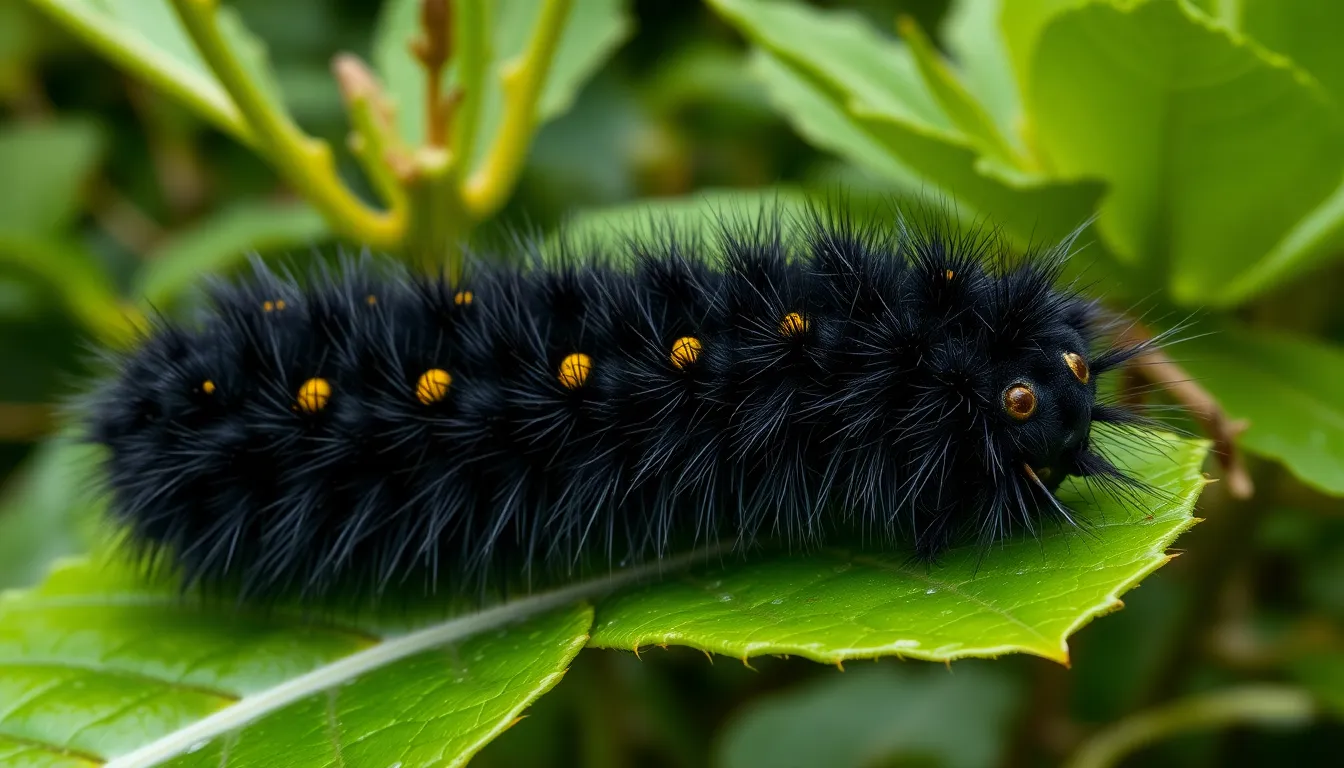
In the heart of Texas, a peculiar creature lurks among the foliage—the poisonous black fuzzy caterpillar. Known for its striking appearance, this caterpillar can easily catch the eye of curious nature lovers and unsuspecting adventurers alike. However, its vibrant fuzziness hides a dangerous secret that can lead to painful encounters.
As the warm Texas sun beckons people outdoors, awareness of this caterpillar’s presence becomes essential. With its distinctive look and venomous spines, it poses a significant risk to those who might touch it. Understanding the characteristics and behaviors of this fascinating yet hazardous insect can help individuals enjoy the beauty of Texas’s wildlife while staying safe from its sting.
Overview of the Poisonous Black Fuzzy Caterpillar
The poisonous black fuzzy caterpillar, often identified as the Lonomia obliqua or the asp caterpillar, features distinctive black, velvety bristles. These bristles are not merely for show; they conceal venomous spines that can inflict severe pain upon contact. These caterpillars typically measure between 1 to 3 inches in length, allowing for easy spotting among foliage.
This species thrives in humid environments, commonly found in areas like forests and gardens throughout Texas. The caterpillar’s primary diet includes leaves from various plants, which contributes to its robust appearance. As they mature, the caterpillars transition into moths, undergoing metamorphosis that involves cocooning for several weeks.
Encounters with this caterpillar can lead to adverse reactions. Skin contact often results in intense burning sensations, swelling, and irritation. In severe cases, allergic reactions can occur, necessitating medical attention. Recognizing the caterpillar’s presence and understanding its risks helps ensure a safer experience while exploring Texas’s diverse ecosystems.
Identification and Characteristics
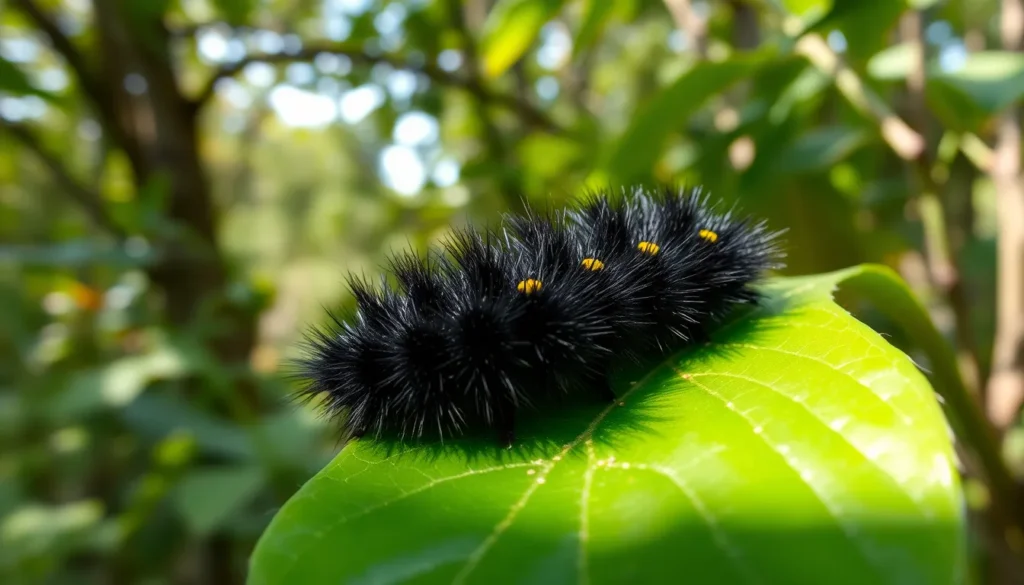
Recognizing the poisonous black fuzzy caterpillar is essential for safety. The Lonomia obliqua, commonly known as the asp caterpillar, features distinct characteristics that set it apart from other species.
Physical Description
- Color: The caterpillar exhibits a velvety black surface decorated with bright yellow or orange markings along its sides.
- Bristles: Dense, fuzzy bristles cover its body, concealing venomous spines that deliver painful stings.
- Size: It typically ranges from 1 to 3 inches in length, depending on its development stage.
- Shape: The overall shape is robust, giving it a stout appearance that aids in its camouflage among foliage.
Habitat and Distribution
- Preferred Environment: Black fuzzy caterpillars thrive in humid regions, often found in wooded areas, gardens, or along forest edges.
- Geographic Range: In Texas, they are most commonly spotted in the eastern parts of the state, thriving in subtropical climates.
- Feeding Habits: They primarily consume the leaves of various plants, showing a preference for deciduous trees and shrubs.
Understanding these identification markers enhances awareness of the poisonous black fuzzy caterpillar, promoting safe interactions with nature.
Dangers Associated with the Caterpillar
The black fuzzy caterpillar poses significant dangers due to its venomous spines. Understanding the symptoms and actions required after contact can mitigate risks associated with encounters.
Venom and Symptoms of Contact
The venom from the black fuzzy caterpillar can cause various adverse reactions. Symptoms often include intense burning sensations, redness, and swelling at the site of contact. Widespread systemic reactions may occur, leading to nausea, vomiting, and even severe headaches. Allergic reactions to the venom can escalate, requiring immediate medical intervention. The long-term effects of exposure, though rare, may impact individuals differently based on sensitivity to the venom.
What to Do If Stung
If stung by the black fuzzy caterpillar, prompt actions are crucial. Begin by washing the affected area with soap and water to remove any venom. Applying a cold compress can help reduce swelling and discomfort. Over-the-counter pain relievers, such as ibuprofen or acetaminophen, can alleviate pain. If severe reactions, such as difficulty breathing or swelling beyond the sting site, occur, seek emergency medical assistance immediately. Monitoring for any persistent symptoms remains important for proper care.
Importance in the Ecosystem
The poisonous black fuzzy caterpillar plays a significant role in its ecosystem. It serves as a food source for various predators, including birds and small mammals. Its presence in urban gardens and forests contributes to the local food chain, supporting biodiversity.
The caterpillar also participates in plant health. As herbivores, they aid in the natural process of plant regulation by feeding on the leaves of deciduous trees and shrubs. This feeding behavior can promote new growth and help maintain plant populations in balance.
Metamorphosis into moths adds another layer of ecological impact. These moths contribute to pollination, facilitating plant reproduction. Pollinators are critical for the ecosystem, as they help produce fruits and seeds essential for numerous wildlife species.
Additionally, the caterpillar’s venom deters some predators, providing an adaptive advantage. This characteristic ensures that it can survive and reproduce, contributing to genetic diversity within its population. In turn, this biodiversity enhances ecosystem resilience against diseases and environmental changes.
Understanding the black fuzzy caterpillar’s role highlights its importance in maintaining ecosystem health and balance. Awareness of its ecological contributions fosters appreciation for this often-misunderstood species.
Awareness of the poisonous black fuzzy caterpillar is essential for anyone in Texas. Its striking appearance may be alluring but the potential dangers it poses should not be underestimated. Understanding its habitat and behavior can lead to safer interactions with this unique creature.
By recognizing the signs of contact and knowing how to respond, individuals can minimize the risk of severe reactions. The ecological role of this caterpillar also highlights its importance within the environment. Embracing knowledge about the black fuzzy caterpillar fosters respect for Texas’s diverse wildlife while promoting safety for all.