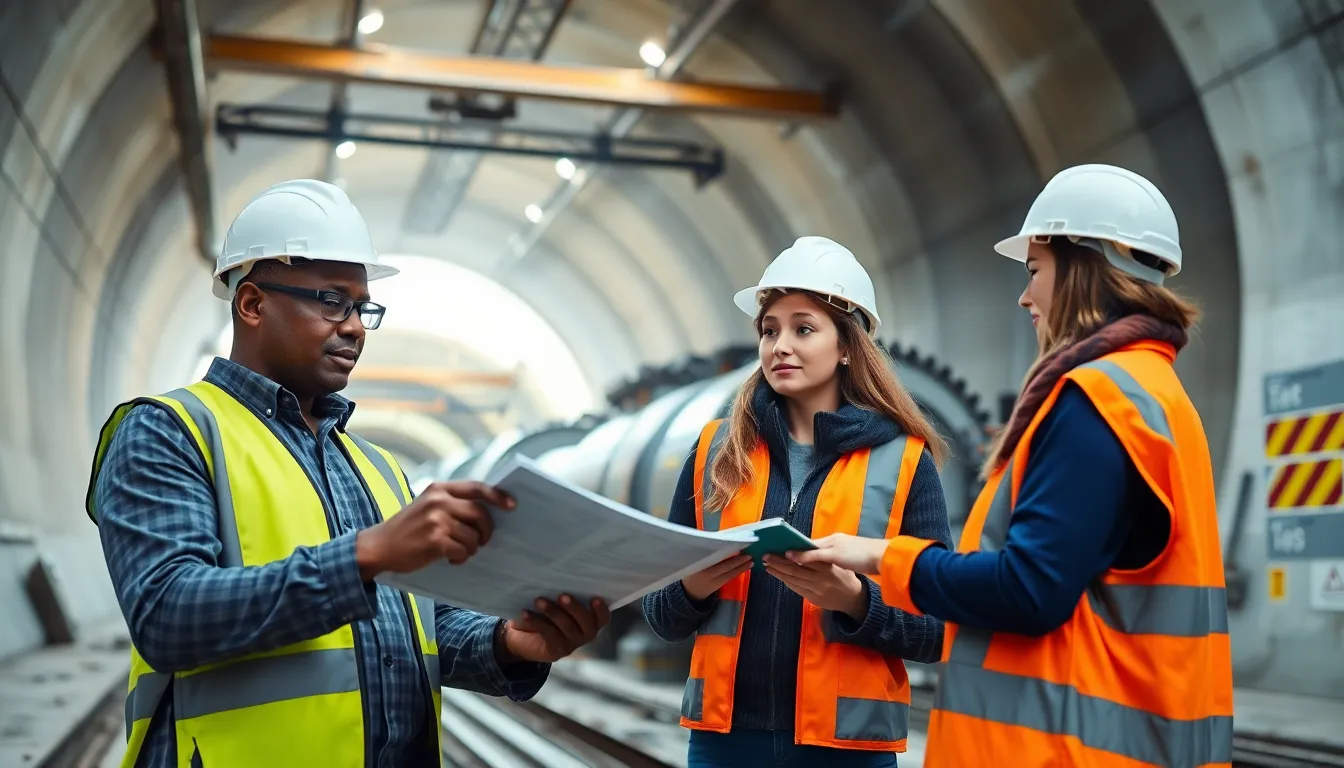
Ever wondered what lies beneath our feet? Tunnelling and underground space technology might not be the first thing that pops into your mind during a casual stroll in the city, but trust me, they’re more fascinating than they sound. Imagine engineers navigating darkness, blast-proofing tunnels, and redefining urban landscapes, all while ensuring safety and sustainability. It’s not just about digging holes: it’s about creating spaces that reshape transportation, boost infrastructure, and even preserve our planet. So grab your hard hat and let’s dig into the depths of underground innovation.
Overview Of Tunnelling Technology
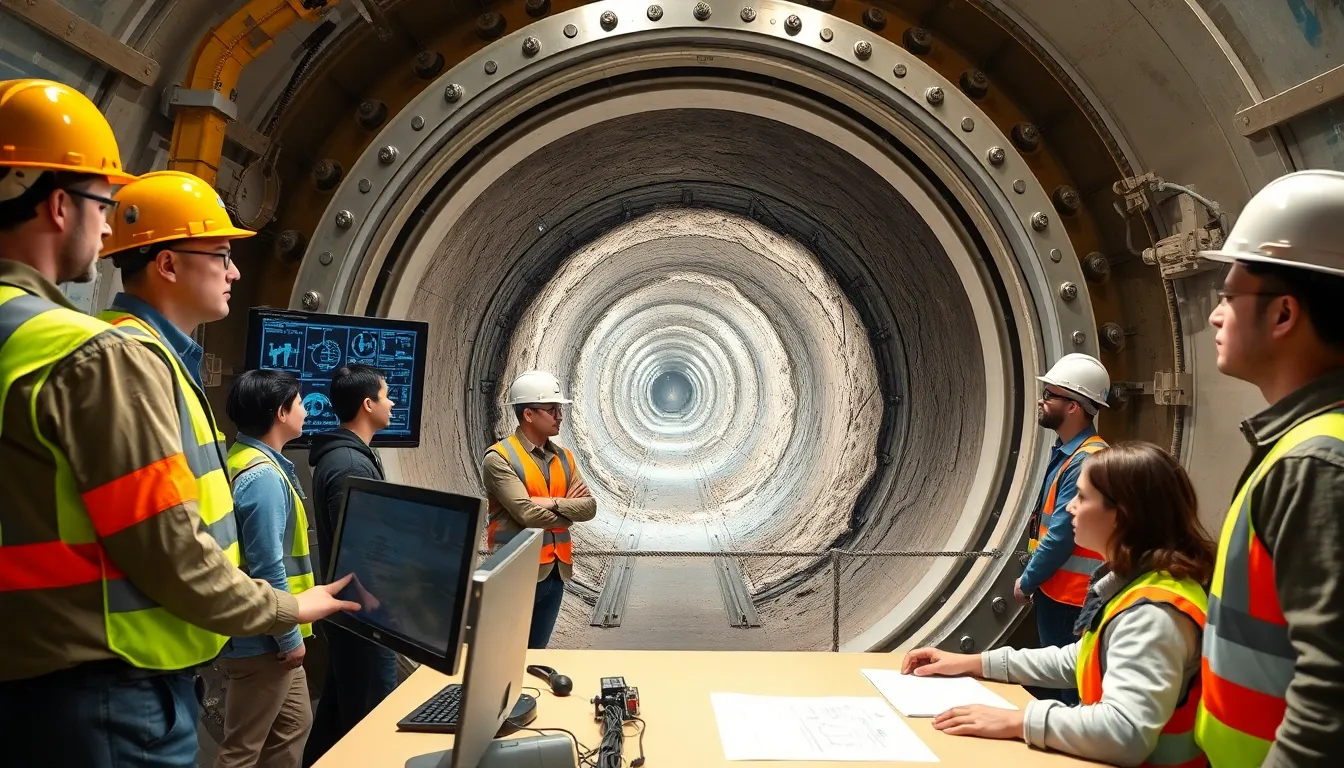
Tunnelling technology involves numerous methods and machinery designed to construct tunnels for various purposes. The essence of tunnelling lies in its versatility, catering to a wide range of applications.
Applications Of Tunnelling
From transportation networks to utilities, tunnelling serves many crucial functions. It significantly enhances urban connectivity, allowing cities to expand and develop beneath the surface. Think subways and pedestrian passages. These underground roads keep surface traffic flowing smoothly, creating a more efficient urban environment.
Infrastructure Development
Tunnelling technology is instrumental in infrastructure development. Countries across the globe rely on it to support engineering projects. From bridges to bypasses, tunnelling enables the construction of essential utilities such as water and sewage lines. With innovative engineering, projects come together more seamlessly than one could imagine.
Mining Operations
The mining industry heavily relies on tunnelling as well. It not only provides operators access to various mineral resources but also ensures that extraction is efficient and organized. Complex networks of tunnels allow for safer operations while maximizing the yield of valuable minerals like coal and gold.
Urban Transportation Systems
Urban transportation is one of the most essential areas influenced by tunnelling technology. As cities grow, so does the need for efficient transit solutions. Subways are a prime example, providing swift travel and reducing road congestion.
Tunnelling aids in creating underground metro systems that streamline public transport. It fosters connectivity while conserving above-ground space for parks, housing, and business developments. Imagine stepping into a subway station bustling with life instead of standing in traffic on a sweltering day. Besides, these systems alleviate pollution levels, contributing to healthier urban environments.
Key Methods In Tunnelling
In the world of tunnelling, various methods are utilized, each designed to address specific challenges based on the geological conditions present.
Traditional Tunnelling Methods
Traditional methods, like cut-and-cover, date back centuries. They involve excavating a trench and later covering it to form a tunnel. While effective, this method can disrupt surface activities, making it less ideal for densely populated areas.
Modern Tunnelling Techniques
Modern techniques, in contrast, employ advanced machinery and technology. Tunnel boring machines (TBMs) are a primary innovation, capable of effortlessly excavating rock and soil. These machines are designed to create tunnels with minimal ground disturbance, which is essential in urban settings. Methods such as the New Austrian Tunnelling Method (NATM) also come into play, emphasizing the importance of ground behavior and rock support, which reduces risks further.
Safety Considerations In Tunnelling
Safety in tunnelling operations cannot be overstated. Workers face numerous risks, from cave-ins to dust inhalation. Implementing rigorous safety protocols is crucial in minimizing these dangers.
Monitoring systems play an essential role as well. They provide real-time data about ground conditions and potential threats, allowing teams to respond quickly. Regular training is equally vital, ensuring workers are equipped with the best practices to handle emergencies effectively.
Environmental Impact And Sustainability
As society pushes for sustainability, the tunnelling industry is embracing new environmental considerations. While creating tunnels often alters landscapes, modern practices aim to mitigate these effects.
Techniques that reduce carbon emissions during construction are becoming prevalent. Also, utilizing recycled materials and minimizing disturbance are key principles in new tunnelling projects. The industry is also exploring opportunities for green spaces above-ground, ensuring that urban expansion meets sustainable standards.
Future Trends In Underground Space Technology
The future of tunnelling and underground space technology is ripe with possibilities. Innovations are being introduced to enhance efficiency and reduce environmental impacts. Self-healing materials, for instance, are being developed to maintain structural integrity while decreasing maintenance needs.
Also, the integration of artificial intelligence in monitoring systems promises even greater safety and efficiency. The potential for expanded underground spaces, like underground parks, holds exciting prospects for urban living.