When you think about space technology, you might visualize astronauts zipping around in spacecraft or colossal rockets blasting off into the void. But there’s so much more to it. Space technology is basically the collection of tools, techniques, and knowledge used to explore beyond our planet. Think of it as humanity’s ambitious quest to not just reach for the stars, but to grab them by the spacecraft-load. Buckle up as we take you on a captivating journey through the vast universe of space technology, from its definition and types to its intriguing applications and the challenges it faces.
Definition and Overview of Space Technology
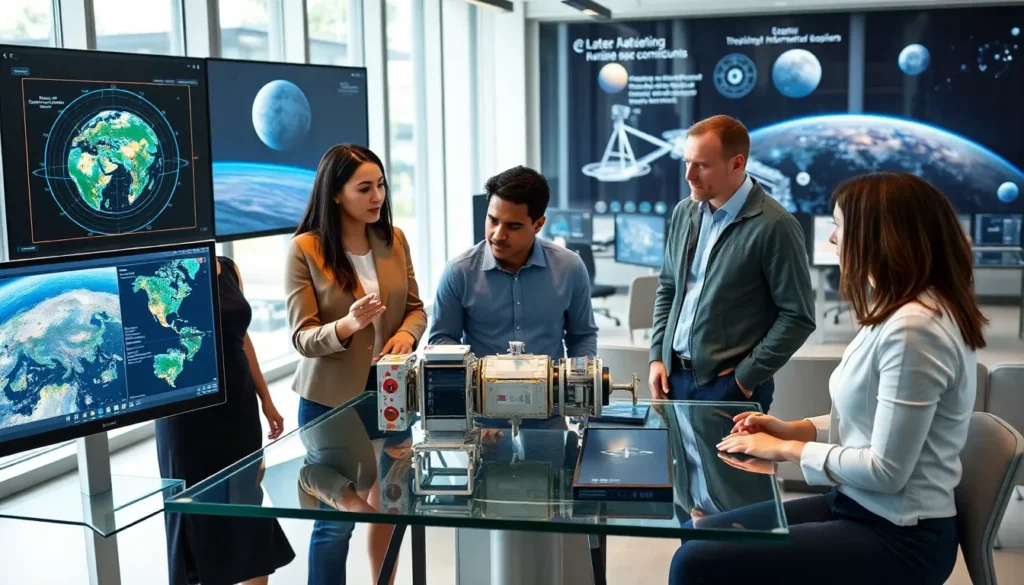
Space technology refers to the technology developed for use in outer space. This includes everything from the design and creation of rockets and satellites to the development of instruments that observe celestial phenomena. In essence, space technology enables the exploration of space and the utilization of its resources.
At its core, space technology embodies the intersection of engineering, physics, and information technology, propelling humanity into realms previously deemed unreachable. Communicating with far-off spacecraft, monitoring Earth’s climate from space, or even planning future manned missions to Mars can all be attributed to this fascinating field.
Space enthusiasts often use the term to encompass a broad spectrum of advancements, including communication satellites, space shuttles, and deep-space probes. Eventually, space technology bridges our understanding of the universe and our capacity to navigate and use it.
Types of Space Technology
The realm of space technology is incredibly diverse. Here are some key types that stand out:
1. Launch Vehicles
These are the hardware that gets things into space. Rockets and space shuttles fall into this category. They deliver satellites, astronauts, and supplies to various destinations like the International Space Station (ISS) or beyond.
2. Satellites
Essential for communication, Earth observation, and navigation, satellites are crucial components of modern society. They help weather forecasting, GPS navigation, and even streaming your favorite cat videos.
3. Space Probes
These unmanned vehicles are sent to explore deep space or other celestial bodies. For example, Voyager 1 and 2 are iconic for their missions to reveal the secrets of the outer planets.
4. Rovers
Rovers are robotic vehicles designed to move across the surfaces of other planets. Think of the Mars rovers like Curiosity and Perseverance, which are collecting invaluable data about the Red Planet.
5. Space Stations
Facilities like the ISS allow astronauts to live and work in space for extended periods. They serve as laboratories for scientific research and collaboration among various countries.
Applications of Space Technology
Space technology plays a pivotal role in a myriad of applications that affect daily life on Earth. Here are some significant examples:
1. Telecommunications
Modern communication relies heavily on satellites. They transmit data for television, internet, and phone services, connecting people around the globe.
2. Earth Monitoring
Satellites equipped with Earth observation technology offer crucial insights into climate change, natural disasters, and agriculture. They help experts monitor deforestation, ocean health, and urban development.
3. Navigation
Global Positioning System (GPS) technology is indispensable for navigation today. It’s not just for navigating road trips: it’s vital for aircraft, shipping industries, and even emergency services.
4. Scientific Research
Space technology also provides platforms for scientific experimentation. For instance, the microgravity environment at the ISS allows scientists to study various phenomena that can’t be observed on Earth.
5. Military and Defense
Space technology has important implications for national security and defense through satellite surveillance and reconnaissance.
Key Components in Space Technology Development
Developing effective space technology requires meticulous planning and a myriad of components:
1. Engineering
Talented engineers work on everything from the architecture of rockets to the software that manages spacecraft operations. Their expertise ensures reliable and safe missions.
2. Materials Science
Spacecraft must withstand extreme conditions. Advancements in materials science lead to innovative solutions for building durable and lightweight structures that can resist heat, pressure, and radiation.
3. Information Technology
Data processing and communication systems play significant roles in running missions smoothly, including telemetry and control systems that ensure the safety of manned and unmanned missions.
4. Collaboration
Space technology is a global effort. Collaboration between countries can yield shared resources and advance knowledge, as seen in the work done on the ISS.
Challenges and Future of Space Technology
Even though its marvels, space technology faces numerous challenges:
1. Cost
Developing and launching technology into space is expensive, which can limit opportunities for innovation and exploration.
2. Safety Risks
Every mission carries risks. Manned missions, in particular, face challenges such as radiation exposure and re-entry dynamics.
3. Space Debris
As more satellites are launched, the threat of space debris increases, posing risks to both crewed and uncrewed spacecraft.
4. Regulatory Framework
As nations and private companies continue to pursue space exploration, a cohesive regulatory framework is crucial for managing outer space activities effectively.
Looking to the future, advancements in reusable rocket technology, artificial intelligence, and international collaborations signal a promising era for space exploration. Imagine a time when interplanetary travel may become routine.
The Role of Space Technology in Everyday Life
Space technology extends beyond rockets and satellites, it impacts daily life in profound ways:
1. Weather Forecasting
Thanks to satellites, people can receive timely weather updates, helping them plan their day or avoid poor conditions.
2. Remote Sensing
From urban planning to disaster management, remote sensing technologies help assess land use, track environmental changes, and respond to crises effectively.
3. Healthcare
Space-based technologies contribute to medical advancements, including telemedicine, which connects doctors with patients in remote areas.
4. Internet Access
Emerging satellite constellations aim to provide broadband internet access to underserved regions, ensuring connectivity for everyone, everywhere.