
Ottawa, the capital city of Canada, often sparks curiosity about its geographical location. Nestled along the Ottawa River, this vibrant city is a hub of culture, politics, and history. But what province is Ottawa in? Understanding its provincial ties is essential for anyone looking to explore the rich tapestry of this region.
As the fourth largest city in Canada, Ottawa plays a crucial role in the country’s identity. It’s not just a political center; it’s also a place where diverse communities thrive and stunning landscapes abound. Discovering which province Ottawa belongs to offers insights into its unique character and significance within Canada.
Understanding Ottawa
Ottawa, located in the province of Ontario, serves as Canada’s capital. The city lies on the south bank of the Ottawa River, directly across from Gatineau, Quebec. Ottawa’s population totals approximately 1 million people, making it the fourth largest city in Canada.
Ottawa features a diverse cultural landscape, integrating Anglophone and Francophone communities. Key institutions, such as Parliament Hill, the National Gallery of Canada, and numerous museums, underscore its role as a cultural hub. The city’s historical significance draws visitors from across the country and around the world.
Recognizing Ottawa’s provincial context enhances the understanding of its political and social dynamics. As the capital, Ottawa hosts various federal government offices and embassies, reinforcing its importance within Ontario and the nation.
Geographic Location
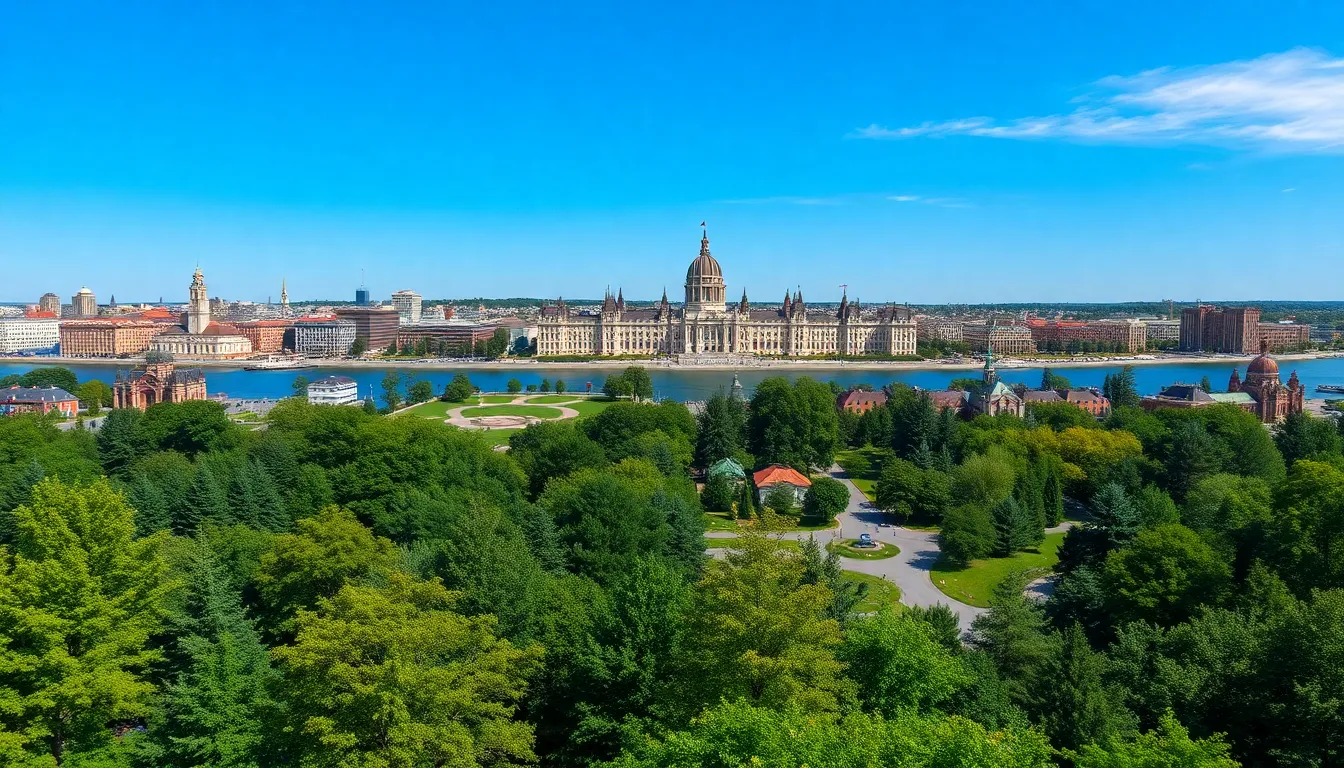
Ottawa, the capital city of Canada, lies in the province of Ontario. Its strategic location along the Ottawa River enhances its status as a central hub for political and cultural activities.
Ottawa’s Position in Canada
Ottawa sits in the eastern part of Ontario, approximately 450 kilometers east of Toronto, Ontario’s capital city. The city is bordered to the south by the province of Quebec, defining a significant cultural and linguistic boundary. Ottawa’s geographical coordinates are 45.4215° N latitude and 75.6972° W longitude, placing it in a critical location in Canada’s national landscape.
Neighboring Provinces
Ottawa is adjacent to Quebec, which lies directly across the Ottawa River to the east. This proximity influences Ottawa’s multicultural environment, featuring both English and French-speaking communities. The city connects to major transportation routes that facilitate travel between Ontario and its neighboring provinces, enhancing regional commerce and tourism.
Province Overview
Ottawa is located in Ontario, Canada’s most populated province. This section details the features of Ontario and highlights Ottawa’s significant role within the province.
Ontario’s Features
Ontario, covering approximately 1.1 million square kilometers, ranks as the second-largest province in Canada. It is characterized by diverse geography, including the Great Lakes, expansive forests, and vibrant urban centers. Major cities like Toronto and Ottawa offer cultural landmarks and economic opportunities. Ontario’s population exceeds 14 million residents, representing over 38% of Canada’s total population. The province plays a crucial economic role, contributing around 40% of Canada’s GDP. Additionally, Ontario hosts universities, national parks, and various attractions, enhancing its appeal as a destination for education, tourism, and cultural experiences.
Ottawa’s Role in Ontario
Ottawa serves as a political and administrative center within Ontario. As Canada’s capital, it houses key federal institutions, including the Parliament of Canada and the Governor General’s residence. Ottawa contributes significantly to the province’s economy, particularly through sectors such as technology, healthcare, and tourism. The city’s cultural landscape enriches Ontario’s diversity, fostering events and festivals that reflect its bilingual nature. Ottawa’s strategic position also enables strong connections to surrounding communities, facilitating trade and collaboration across the province. By being a part of Ontario, Ottawa enhances the overall profile of the province on national and international stages.
Historical Context
Ottawa’s history as the capital of Canada intersects with significant events in Ontario’s development. Understanding Ottawa’s establishment and growth within Ontario reveals its critical role in the province’s emergence as a key player in Canada’s national identity.
Ottawa’s Establishment
Ottawa was established in 1826 as a lumber town, strategically chosen for its location on the Ottawa River to facilitate transportation of goods. Initially named Bytown, after Colonel John By, the settlement experienced rapid growth due to the lumber trade during the 19th century. In 1855, Bytown was renamed Ottawa and became the capital of the Province of Canada in 1857, selected for its defensible position against potential American invasions. This decision marked a pivotal moment in its history, shaping Ottawa’s future as a political center.
Development Within Ontario
Ottawa’s development within Ontario witnessed significant transformations through the 19th and 20th centuries. The city’s population surged due to the arrival of Irish and Scottish immigrants, contributing to its cultural diversity. The establishment of federal institutions attracted civil servants and further solidified Ottawa’s role as the national capital. In the late 20th century, Ottawa evolved into a leader in technology and innovation, fostering economic growth and job creation. Today, Ottawa serves as a vital hub in Ontario, enhancing the province’s economy and cultural landscape. Its historical significance continues to influence Canada’s political and social fabric, strengthening ties within Ontario.
Cultural Significance
Ottawa’s cultural significance stems from its diverse communities and influence on Ontario’s overall cultural landscape. The city embodies a rich tapestry of traditions and languages, reflecting its historical roots and contemporary dynamics.
Diversity in Ottawa
Diversity in Ottawa is evident through its vibrant communities, which include Anglophone and Francophone populations. According to the 2021 Census, more than 30% of residents identify as members of visible minority groups. This multiculturalism is celebrated through numerous festivals and events, such as Winterlude and Canada Day, which highlight the contributions of different cultures. Institutions like the Canadian Museum of History and the National Gallery of Canada feature exhibitions that showcase both Indigenous and multicultural narratives, reinforcing the city’s role as a cultural melting pot.
Influence on Ontario’s Culture
Influence on Ontario’s culture is significant, as Ottawa serves as a model for cultural integration. The presence of federal institutions attracts diverse talent and ideas, fostering innovation in arts and technology. Local initiatives in music, theater, and visual arts, such as the Ottawa International Jazz Festival and the ByWard Market arts scene, enhance Ontario’s cultural offerings. Ottawa also promotes bilingualism, encouraging collaboration between English and French speakers, which enriches the province’s identity and fosters greater understanding among its residents.
Ottawa stands out as a vibrant city that plays a crucial role in Ontario and Canada as a whole. Its unique blend of cultural diversity and historical significance enriches the province’s identity. As the capital city, Ottawa not only serves as a political center but also fosters innovation and creativity through its various cultural institutions and events. The city’s strategic location enhances its appeal, making it a vital hub for commerce and tourism. Understanding Ottawa’s place within Ontario helps to appreciate the rich tapestry that contributes to Canada’s national narrative.